Understanding Your Heating Controls: Thermostats and Smart Devices
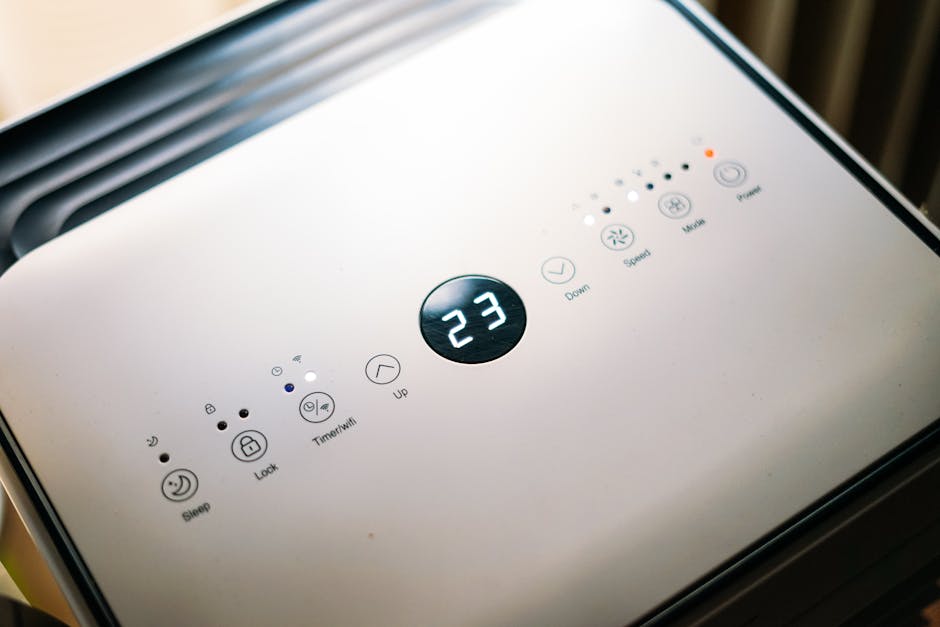
Modern heating controls have transformed how we manage our home comfort and energy consumption. Understanding what's available can help you reduce bills while maintaining the perfect temperature throughout your home.
Traditional Thermostats
A basic thermostat is simply a temperature sensor that tells your boiler when to turn on and off. When the room temperature drops below your set point, the boiler fires up. When it reaches the target, the boiler stops. This straightforward approach is reliable but offers limited control—you can't schedule temperature changes or adjust heating remotely.
Programmable Thermostats
These allow you to set different temperatures for different times of day. You might program your heating to come on an hour before you wake up, reduce during work hours, and increase again in the evening. A typical programmable thermostat can reduce energy use by 10-15% simply by avoiding heating empty homes.
Smart Thermostats: The Modern Solution
Smart thermostats like Nest, Hive, and Ecobee take control further. They connect to your Wi-Fi and smartphone, letting you adjust your heating from anywhere. Many learn your habits and automatically optimize schedules. Some integrate with weather forecasts to adjust heating based on outside temperature.
Smart thermostats typically cost £150-£350 to purchase, but the energy savings often recoup this investment within 1-2 years.
Thermostatic Radiator Valves (TRVs)
These small devices on individual radiators let you control temperature in specific rooms. You might heat bedrooms less than living areas, reducing overall energy use. TRVs are inexpensive (£15-£40 each) and require no installation expertise.
Zone Controls
Zone control systems divide your home into separate heating areas, each with its own thermostat. This is particularly useful in larger homes where different areas have different heating needs. Upstairs rooms might stay cooler while living areas are warmed more.
Choosing the Right Controls
- Budget-conscious: Install TRVs on existing radiators for immediate savings
- Want convenience: A smart thermostat offers remote control and learning features
- Large home: Zone controls provide flexibility and efficiency
- Renting: Programmable thermostats offer good control without permanent installation
Installation and Compatibility
Most controls install relatively easily, though smart thermostats may require an engineer if your existing wiring is complex. Always check compatibility with your boiler type before purchasing.
The Efficiency Advantage
Proper heating controls prevent wasted energy. Rather than heating your entire home constantly, you heat only what you need, when you need it. Combined with regular boiler servicing, good controls can reduce heating costs by 20-30%.